
Sam – Men in grief
Sam – Men in grief
Sam who lost his father, uncle and cousin talks about men and grief
Sam – Mental health tools and resources
Sam – Mental health tools and resources
Sam discusses talking care of his mental health and group therapy after losing his father, uncle and cousin
Sam – My story
Sam – My story
Sam tells his story and losing his father, uncle and cousin in a short period of time
Sam – Prostate Cancer
Sam – Prostate Cancer
Sam talks about prostate cancer and losing his father and uncle to it
Rebecca -Absurdity
Rebecca -Absurdity
Rebecca talks about the death of her father and how things can seem real unreal, absurd when in grief
Rebecca – Humour and grief
Rebecca – Humour and grief
Rebecca talks about how she and her father used humour as a strategy during his illness and after he died
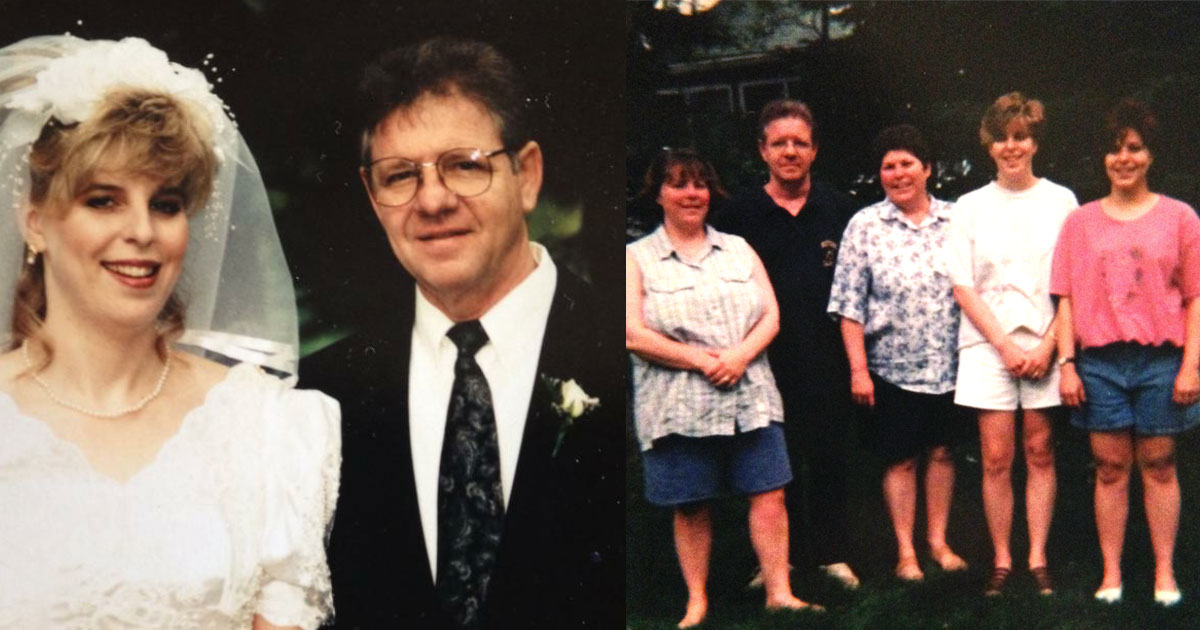
In Memoriam: William Charles Pollard
A lifetime of curiosity, and a sharp wit served Bill Pollard well over 32 years as a high school history teacher. His love of teaching and dedication to his craft meant that he spent late August preparing lessons for a subject he taught throughout his entire career, even in his final year on the job. Many of his favourite stories involved spontaneous fun in the classroom as he shared his knowledge with keen students. Many of those students in turn share their favourite stories about Mr. Pollard, even now when they meet one of Bill’s daughters, so many years after his retirement.
He enjoyed a hearty debate, and his penchant for practical jokes sometimes got him into real trouble – perhaps the earliest being a run-in with the local constabulary over the business of fishing in a manhole on a city street when he was a young boy.
Once he retired, Bill enjoyed a few good years, passing the time with woodworking and leisurely drives to search out little antique shops with his beloved wife Sandra. High school sweethearts, Bill and Sandra meant it when they took their vows, and they overcame some serious challenges in life, together.
He is missed, but his legacy lives on. We feel his presence in the laughter and liveliness of his 8 cherished grandchildren.
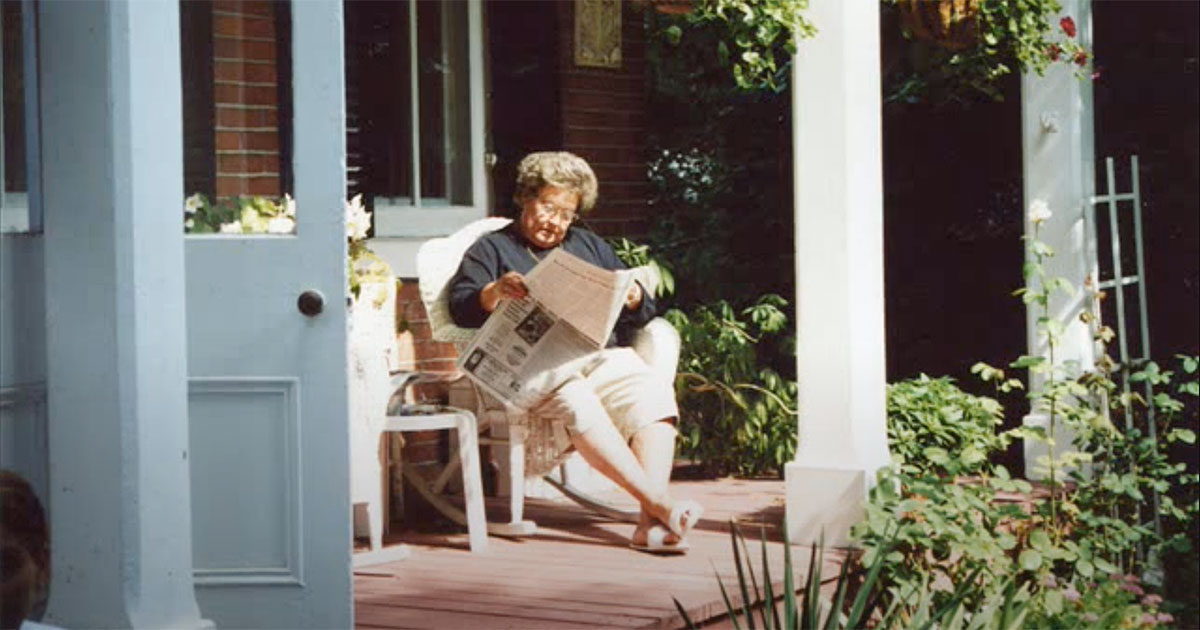
In Memoriam: Helen Bogyay
Unparalleled in warmth, kindness and fairness, Helen was a consummate hostess and caregiver. She could throw together dinner for forty with one hand tied behind her back. She regularly threw parties of over a hundred people and prepared the food in a kitchen that would make a ship’s galley look cavernous. She loved her home and opened it up without hesitation especially on holidays if she thought anyone would be alone.
She had an uncommon ability to organize and her filing systems are legendary. She taught her children and grandchildren about unconditional love, forgiveness and had an infectious laugh that exuded joy.
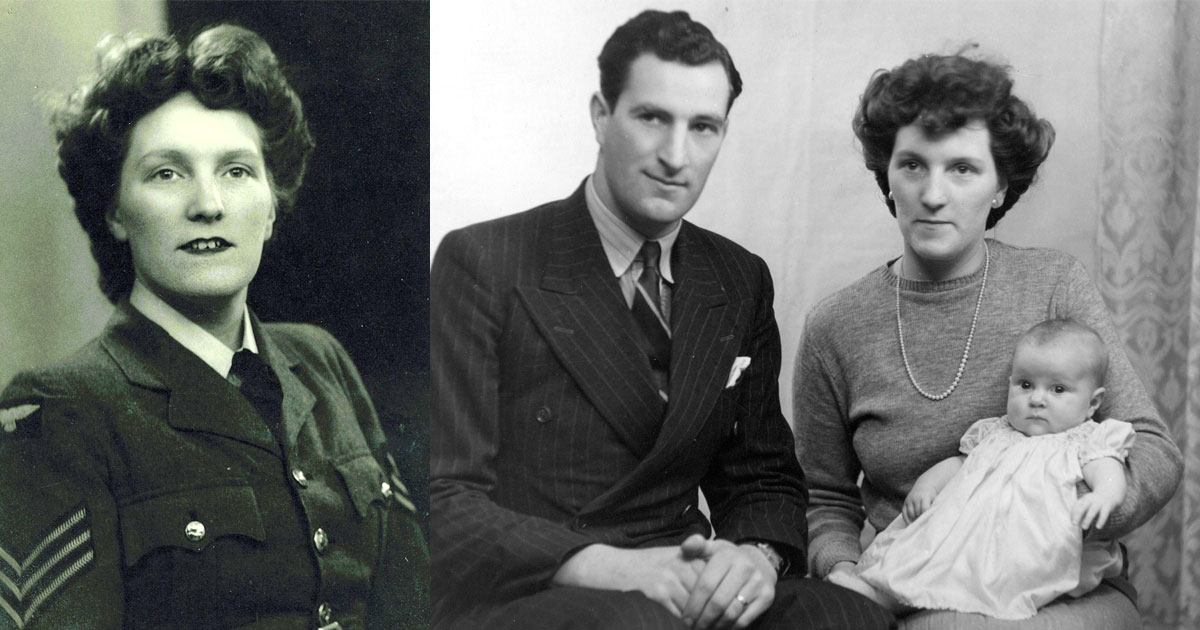
In Memoriam: Isobel Quartly
As the family matriarch she was a much loved mother, sister, wife and grandmother. The eldest of 10 she was apparently slow at chores when young so was given the nickname Speed by her uncles. It was used by friends and family for her entire life.
Joined the WAAF in1939 at the beginning of the war and worked her way up to sergeant. She met her RAF husband Ron and started a family in 1946. She was a floral designer with an amazing green thumb, and could make things grow just by looking at them.
She had a keen sense of humour, was wicked at cards and was a good penny pinching Scot.
So many wonderful memories…
Matt – Telling my young son
Matt – Telling my young son
Matt describes the death of his birth mother to his young son.

Creative Outlets for Grief
Post by Maureen Pollard, MSW, RSW
Creative Outlets for Grief
In the depth of raw, deep grief it can be hard to find words to express your feelings. Perhaps you are not much of a talker, anyway. Maybe this terrible tragedy has left you speechless. There may be no words for the terrible experience you find yourself caught up in.
In times like this, expressive arts can provide a way for the feelings to flow. Such a release of feelings can ease the pain a little, as you put move some of the painful emotions gripping your heart out into the world. Making art can help shift the emotional burden you’re carrying, making it more manageable. Your creative pieces can help people understand what you feel like.
Music
Sing your sorrows out by making up lyrics to a familiar tune that brings you comfort. As your own words flow with the music you can feel the emotions flow, too.
Alternately, maybe you have a brand new melody rolling through your mind with words and phrases joining together to express your feelings. Writing your own song can be a powerful path to share your experience.
Drawing and Painting
Whether you prefer pencils, oil pastels or paints, creating images and using colour can be freeing. Sometimes an abstract piece that is full of colour or dark with shadows shows your internal landscapes as you navigate your grief. Other times it can feel comforting to create an image that is symbolic of your memories of the person who died and sentiments related to your grief.
Collage
Creating memorial collage, or a scrap-book style memento is an alternative to drawing and painting for those who feel more comfortable selecting images and words and arranging them together. Using photographs, personal mementos, old magazines and craft supplies, you can create a beautiful tribute to your person that honours your relationship and memories.
Dance and Theatre
Choreography of a series of movements especially designed to express the range of your feelings or in memory of your loved one. Creating scenes that represent important moments in your relationship, or incidents of your grief experience. Through physical actions such as these, you may gain a sense of relief as you embody emotion and bring your inner world to life.
Poetry
A poignant turn of phrase. A description that creates a vivid image. Words that link together thoughts, feelings and illustrations of your experience of love and loss. Poetry can be short and simple, or it can be long, meandering through events. It can rhyme, but it doesn’t have to.
Journaling and Memoir
Writing about your feelings and experiences can be healing. If you take time regularly to create a safe and comfortable space to write in, with privacy and permission, you can begin to understand what has happened. Writing can help you make sense of your story, and move it out into the world in a way that helps you feel relief. When your story is written and rewritten until it offers insight and recovery, it may even be ready to share with others to offer support, understanding and hope for those who come after you in your particular experience of loss.
It can be painful to talk about grief. Yet healing usually involves finding someway to hold the pain, to express the experience and shift your perspective in order to ease the burden of carrying loss that is yours for life. If talking is too hard, experiment with making art.
Remember:
- There is no way to do this wrong. All of your art is meaningful and important just because it is yours.
- You don’t have to share any art you don’t want to. This process is for your healing first and foremost.
- Your grief is your own to navigate, in your own way, at your own pace, with expressive art or without. You are always free to choose.
Karyn and Cathy – “Suicide”
Karyn and Cathy – “Suicide”
Karyn and Cathy discuss how the stigma of suicide impacted the lack of acknowledgement of their grief and loss. Karyn and Cathy continues to grieve the death of their father by suicide.