
Amber – Grieving at the age of 17
Amber – Grieving at the age of 17
Amber disucss what it’s like to be a teen when a parent dies
Amber – Talking to your kids about death
Amber – Talking to your kids about death
Amber talks about how important it is to talk about grief, especially with kids

Care and Well-Being for Grievers and Their Supporters
Post by Maureen Pollard, MSW, RSW
Care and Well-Being for Grievers and Their Supporters
Grief can be all consuming. It can monopolize our attention and drain our energy. When we are grieving, we can forget to tend to our well-being. This is also true when we are supporting someone who is experiencing raw, deep or complex grief.
Factors that support well-being become important as we work toward recovering in grief. We need ways to help us find our balance again as we adjust to a world without our loved one.
Compassion
Be gentle with yourself, and with others. We are all generally doing the best we can do under difficult circumstances.
Acknowledge the Pain and Suffering
Pain is inevitable. Suffering happens when we resist the reality of the pain. When we are able to admit that a situation is terrible and hurts us deeply, we shift into facing it and may begin to heal.
Communication
It’s important to be able to be honest, and to expect honesty in return. If you feel like you have to hide facts or feelings, it can be distressing. Be mindful that being honest doesn’t mean we must be blunt or harsh; we can be tender and kind in our honest moments.
Self-care for Stress Management
Eat well. It will help you fuel your mind and body and prepare you to handle whatever comes next. Move more. You can discharge some of the tension and use up some of your emotional energy when you move. Make sleep a priority. We heal, physically and emotionally, when we sleep. Connect with others who accept and understand your situation. When you feel acknowledged and validated by someone it can help you accept your situation.
Create a Safe Space
Whether it is a room in your home, just a corner of a room or some other place in your community, the availability of a safe space is important for a sense of well-being. This place will feel comfortable, and you’ll be able to let your guard down here. Perhaps there is a comfortable chair or bench for you to sink into. Maybe it is very private, allowing you to release your feelings with tears or other expressions of emotion without worrying about judgement.
Know Your Limits
It’s a good idea to try to notice your stress signals. Pay attention to what happens in your body. Do you get headaches, a knot at the back of your neck, tightness in your chest or clenching in your gut? Does your mind begin to race, distracting you and increasing your tension? When you become self aware, you can take steps to care for yourself at the earliest signs of distress rather than waiting until you are close to breaking down.
Ask for Help
Whether you are grieving, or trying to support someone you care about as they grieve, don’t be afraid to ask for help. We all need someone caring on our side sometimes to walk with us through the difficult parts of life and death.
Marija – Latent grief
Marija – Latent grief
Marija explains latent grief
Marija – Types of Loss in a Pandemic
Marija – Types of Loss in a Pandemic
Marija explains how all of the losses we experience during a pandemic are compounded
Marija – The wilderness of grief
Marija – The wilderness of grief
Marija discussed acknowedging all aspects of grief and living with grief.
Marija – Feeling Disenfranchised Grief in a Pandemic
Marija – Feeling Disenfranchised Grief in a Pandemic
Marija talks about disenfranchised grief and Covid
Marija – Grieving Situational Losses in a Pandemic
Marija – Grieving Situational Losses in a Pandemic
Marija talks about feelings associated with grief and Covid
Marija – Acknowledging feelings
Marija – Acknowledging feelings
Marija talks about our tools for coping
Marija – Permission to mourn
Marija – Permission to mourn
Marija discusses the value of being allowing yourself to mourn
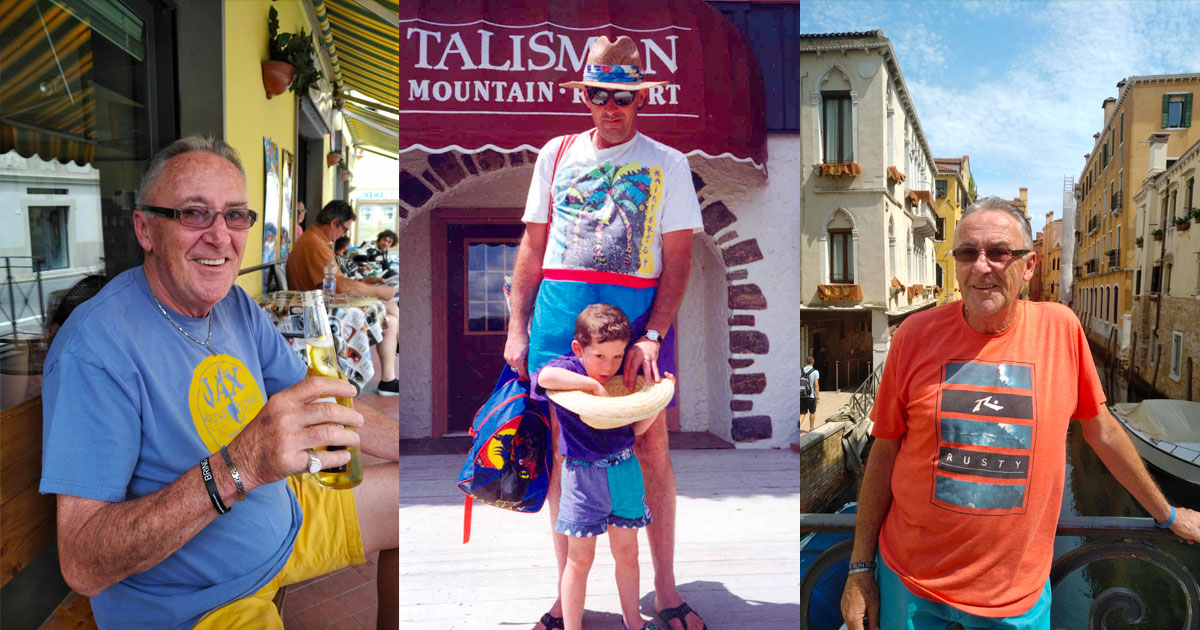
In Memoriam: John Kennedy
He answered to John, Johnny, Dad, JFK, Beamish Bookie and even RB (you’ll have to ask his friends about that one). Anyone who knew John describes him as larger than life. He loved people and was happiest sitting on the front porch chatting to anyone who walked by or making new friends in a Tuscan café or Irish pub. John became a father at 42 and enthusiastically and with overwhelming love, watched his son grow into the amazing man he is today. In the past decade, he dusted off his acting chops to be in local theatre productions and to work with his son.
John was a loving husband and spent more than 33 years married to his best friend Karyn. Not a day went by without him making her laugh with his silly antics or extremely bad jokes.
Generous and giving, John always found ways to help others, often quietly and without drawing attention to himself. He will be remembered for his love of golf, colourful language, betting on any sporting event going and falling asleep on friends’ couches after dinner parties. Always unselfconscious, honest and completely himself, John was deeply loved and is greatly missed by those who knew and loved him.
Sara – Creating music
Sara – Creating music
Sara explains how creating music can be a part of the grieving process