
Mourning a Man I Never Knew
By David Newland
The following blog post is a reworking of a post originally written in 2005 under the same name on his website.
This spring, I turned fifty-four. I have now outlived the father I never knew: my biological father. It’s been almost twenty-three years since we spoke; eighteen years since I learned of his death. I’m still dealing with the strange grief of his loss.
As an adoptee, I always had questions about my origins that my loving, caring adoptive parents couldn’t answer. In my twenties, I applied to Child Services for more information, and after eight years of waiting on my part, they did a search in 2000. After some effort, they couldn’t find my birth-mother, but quickly produced contact info for my biological father. They offered to put us in touch.
After jumping through a few official hoops, we emailed back and forth a bit, and finally, we spoke on the phone, maybe three times in all.
I can’t even describe what that was like – intense, starkly honest, humorous and deep. Here was a man who had made most of the same mistakes I had, only far worse. Depression, drugs, divorce. Family problems. Anger management. Women. He hid nothing, as far as I could tell, although his stories sometimes conflicted.
I didn’t hold anything back either. I insisted that he honour my experience as an adoptee. It wasn’t easy for me, handling the big hole in my life. He had a hard time understanding that. He said his own kids had it a lot worse than me. He was right, but that wasn’t for him to say. I heard it from them.
It was good to connect, but I knew he wasn’t good for me. I chose not to pursue further connection. I knew he was out there. He knew where I was.
There was no contact for a few years. And then one day, in January of 2005, I found out he was dead. I was online at work, looking for some information on the original (Polish) spelling of his last name, and wham! the first thing that came up was a memorial page. He had died, nearly a year before, in March 2004, aged 54.
I never knew him in life. I still don’t know him in death. But I’ve been grieving him for a long time, in my way.
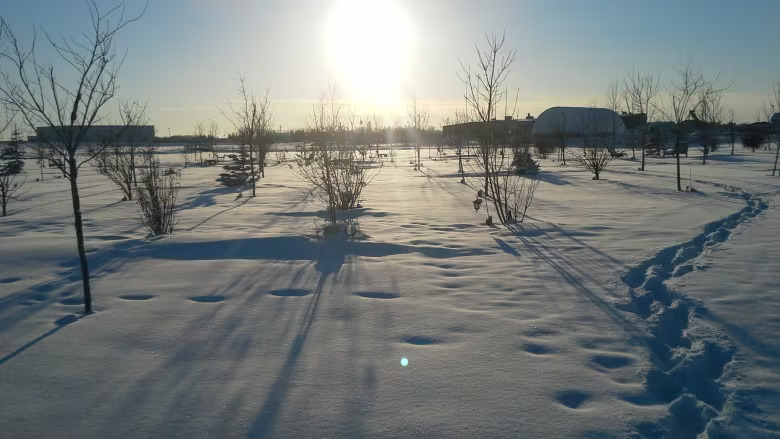
In 2016, still reckoning with the hole he left, I went to Red Deer to find his grave. I narrated that journey in a CBC radio documentary, The heartache and healing of finding my birth father. I never found a grave: only my own shadow over a four-by-four stake in the ground. I did enjoy a delicious steak sandwich at a local hotel restaurant he was fond of.
I’ve been back to Red Deer twice since then. The last time I went, even the stake was gone. And so was the steak sandwich, restaurant, hotel and all.
The picture on the memorial page linked above is the only likeness I ever saw of my birth-father. I always thought I saw my face in his. Now, having reached his age, I see his face in mine.
Jessica M – It’s OK not to cry
Jessica M – It’s OK not to cry
Jessica discusses how grief is individual and finding the way forward can be different for everyone.
Jessica M – Finding Hope
Jessica M – Finding Hope
Jessica shares memories of her brothers birthday which was just before her mothers death and how they all found hope
Jessica M – My Story
Jessica M – My Story
Jessica talks about losing her grandfather at 14 when her mother was terminal, her mother and aunt died when she was 15. She felt alone until she found a peer support group
Jessica M – Continuing Bonds
Jessica M – Continuing Bonds
Jessica talks about the values of continuing bonds and connections with people who are not here anymore. She gives some examples of things that have made her more connected to her Mom.
Jessica M – Grief is unique for each person
Jessica M – Grief is unique for each person
Jessica discusses our uniquenesses during grief, giving yourself permission to grieve and that there are many ways of self care during grief.
Jessica M – Legacy
Jessica M – Legacy
Jessica explains legacy and gives examples including her own.
Jessica M – A Parking Lot Memorial
Jessica M – A Parking Lot Memorial
Jessica shares how her family gathered after her uncle died during COVID and how her family came up with a creative way of getting together in a parking lot.
Jessica M – The value of talking about grief
Jessica M – The value of talking about grief
Jessica talks about living in North America and the fear many people have about talking about grief but that it is very important to talk. It makes us feel less alone and helps us move through our grief. It’s also how you can keep your lost one alive.
Jim – Significant incidents
Jim – Significant incidents
Jim discusses being involved in a significant incident and how it’s normal to feel overwhelmed and ruminate over it. You may even start to drink or use drugs to cope. But it’s important to remember that you’re not alone. Many police officers have been through similar experiences. And there are resources available to help you get through this. One of the best things you can do is talk to a trusted friend or colleague. They can offer support and understanding. You can also seek professional help from a therapist or counselor. They can help you to process your experience and develop healthy coping mechanisms. It’s also important to remember that you can’t change the past. But you can learn from it. And you can move on. Don’t let one incident define you. You are a strong and capable person. And you will get through this.
Jim – Self care
Jim – Self care
Jim shares about the importance of self-care for law enforcement officers. I share some simple tips that can help you take care of your physical and mental health, including: Getting enough sleep, Eating a healthy diet, Exercising regularly, Practicing relaxation techniques, Seeking professional help if needed
Jim – Preparation
Jim – Preparation
Jim shares here is no way to truly prepare for the experiences that you will see as a police officer. You can read about it, talk to veteran officers, and even watch videos, but until you are personally involved in something, you will never know how it will affect you. The best way to deal with the challenges of being a police officer is to expect the unexpected and to be prepared to handle anything that comes your way. Remember, you are not alone. There are many resources available to help you cope with the stress of the job, and there are many other officers who understand what you are going through. If you are considering a career in law enforcement, be sure to do your research and talk to as many people as you can before you make your decision